Pregnancy techniques can make a real difference for couples trying to conceive. About 12% of women in the United States struggle with fertility issues, according to the CDC. The good news? Many evidence-based strategies exist to improve conception odds. This guide covers the most effective pregnancy techniques, from understanding fertility windows to making lifestyle changes that support reproductive health. Whether someone has been trying for a few months or longer, these methods offer practical steps toward achieving pregnancy.
Table of Contents
ToggleKey Takeaways
- The fertility window spans six days each cycle, with the highest conception chances occurring in the two days before ovulation.
- Combining ovulation tracking methods—such as OPKs, basal body temperature, and cervical mucus monitoring—provides the most accurate pregnancy techniques for timing intercourse.
- Lifestyle factors like maintaining a healthy BMI (20–24), taking 400–800 mcg of folic acid daily, and avoiding smoking and excessive alcohol significantly boost fertility.
- Women under 35 should seek professional help after 12 months of trying, while those 35 and older should consult a specialist after 6 months.
- Male fertility matters equally—men can improve sperm health by avoiding heat exposure, wearing loose underwear, and maintaining a healthy weight.
Understanding Your Fertility Window
The fertility window represents the days each month when conception is possible. This window typically spans six days, the five days before ovulation and ovulation day itself. Sperm can survive in the female reproductive tract for up to five days, while an egg remains viable for 12 to 24 hours after release.
Pregnancy techniques work best when couples understand this timing. The highest chance of conception occurs during the two days before ovulation. Studies show that intercourse during this peak period results in pregnancy rates of 25-30% per cycle for healthy couples.
A woman’s cycle length affects when ovulation occurs. In a standard 28-day cycle, ovulation usually happens around day 14. But, many women have cycles that vary from 21 to 35 days. This means ovulation can occur anywhere from day 7 to day 21.
Tracking cycle patterns over several months helps identify personal fertility windows. Women can note the first day of each period to calculate average cycle length. From there, subtracting 14 days from the expected next period gives an estimated ovulation date.
Tracking Ovulation for Optimal Timing
Several pregnancy techniques focus on pinpointing ovulation with greater accuracy. Each method offers different benefits, and combining multiple approaches increases precision.
Basal Body Temperature Tracking
Basal body temperature (BBT) rises slightly after ovulation, typically by 0.5 to 1 degree Fahrenheit. Women can track this by taking their temperature each morning before getting out of bed. After several months of charting, patterns emerge that help predict future ovulation dates.
The limitation? BBT confirms ovulation after it happens. By the time temperature rises, the fertile window has passed. Still, this data proves useful for understanding cycle patterns.
Ovulation Predictor Kits
Ovulation predictor kits (OPKs) detect the luteinizing hormone (LH) surge that occurs 24-36 hours before ovulation. These urine tests provide advance notice of the most fertile days. Most women begin testing a few days before their expected ovulation date.
Cervical Mucus Monitoring
Cervical mucus changes throughout the menstrual cycle. During the fertile window, mucus becomes clear, stretchy, and slippery, similar to raw egg whites. This consistency helps sperm travel more easily. Checking mucus daily allows women to identify their most fertile days without any special equipment.
Combining Methods
The most reliable pregnancy techniques use multiple tracking methods together. A woman might use OPKs to predict ovulation, confirm it with BBT, and monitor cervical mucus as an additional indicator. This combination approach gives the clearest picture of fertility patterns.
Lifestyle Factors That Boost Fertility
Beyond timing, certain lifestyle choices significantly impact fertility for both partners. These pregnancy techniques address the foundations of reproductive health.
Nutrition and Weight
Maintaining a healthy weight supports hormone balance and ovulation. Research shows that women with a BMI between 20 and 24 have the highest fertility rates. Both underweight and overweight conditions can disrupt ovulation.
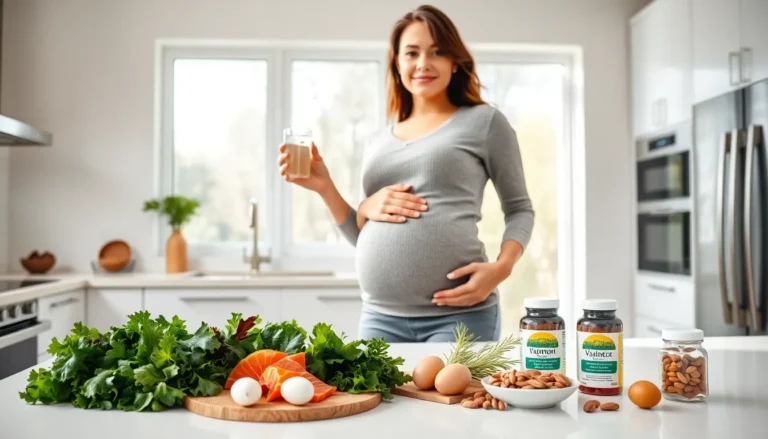
A fertility-friendly diet includes:
- Leafy greens and vegetables rich in folate
- Lean proteins from fish, poultry, and plant sources
- Whole grains for sustained energy
- Healthy fats from olive oil, nuts, and avocados
Folic acid supplementation is essential. Women should take 400-800 micrograms daily, starting at least one month before trying to conceive.
Exercise and Stress Management
Moderate exercise supports fertility by maintaining healthy weight and reducing stress. But, excessive exercise can disrupt ovulation. The sweet spot involves 30 minutes of moderate activity most days.
Chronic stress affects hormone production and can interfere with ovulation. Pregnancy techniques that address stress, like yoga, meditation, or regular relaxation practices, may improve conception rates.
Substances to Avoid
Smoking reduces fertility in both men and women. Women who smoke experience earlier menopause and lower egg quality. Men who smoke have lower sperm counts and motility.
Alcohol consumption also impacts fertility. Research suggests that even moderate drinking may reduce conception chances. Caffeine in high amounts (more than 200mg daily) has been linked to fertility issues as well.
Male Fertility Considerations
Fertility depends on both partners. Men can improve sperm health by avoiding hot tubs and saunas, wearing loose-fitting underwear, and maintaining a healthy weight. Sperm production takes about 74 days, so lifestyle changes need time to show results.
When to Seek Professional Help
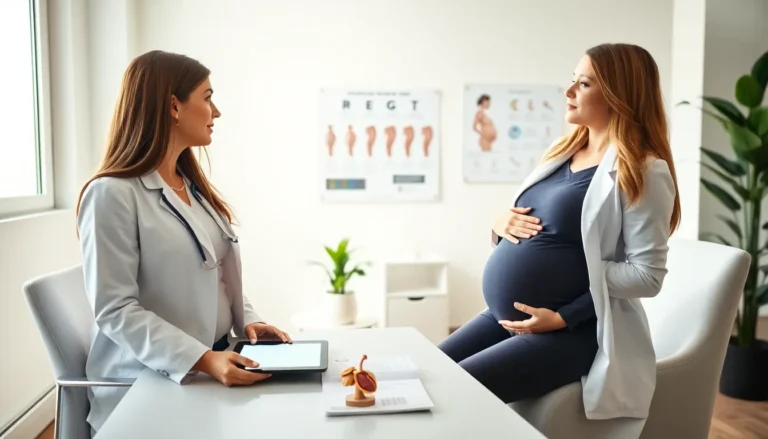
Sometimes pregnancy techniques practiced at home aren’t enough. Knowing when to consult a fertility specialist helps couples avoid unnecessary delays.
General guidelines recommend seeking help after:
- 12 months of trying for women under 35
- 6 months of trying for women 35 and older
- Any known fertility issues in either partner
Certain symptoms warrant earlier evaluation. These include irregular periods, a history of pelvic inflammatory disease, endometriosis, or previous cancer treatment.
A fertility evaluation typically starts with basic tests. For women, this includes blood work to check hormone levels and an ultrasound to examine the ovaries. Men undergo a semen analysis to assess sperm count, motility, and shape.
Treatment options range from medication to assisted reproductive technologies. Clomiphene citrate helps stimulate ovulation in women who don’t ovulate regularly. Intrauterine insemination (IUI) places sperm directly in the uterus during the fertile window. In vitro fertilization (IVF) offers higher success rates for certain conditions.
Early consultation doesn’t mean something is wrong. Many couples simply benefit from professional guidance on pregnancy techniques and timing. A specialist can identify issues that home tracking might miss.