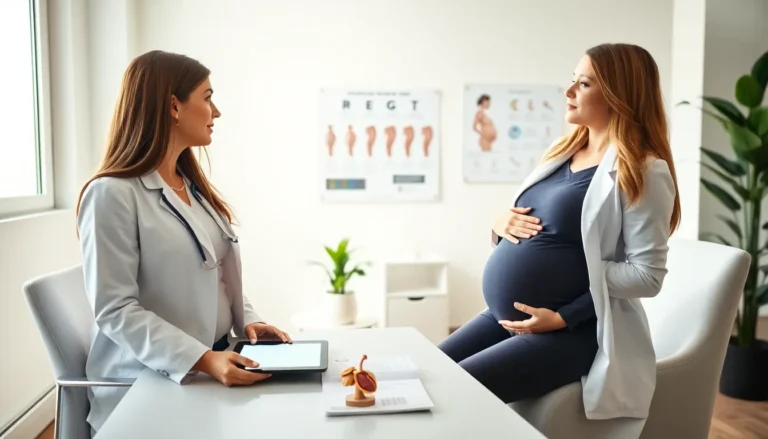
Pregnancy examples help expectant parents understand what to expect during this life-changing journey. From morning sickness to baby kicks, each pregnancy brings a unique set of experiences. Some symptoms appear early, while others develop as the baby grows. This guide covers the most common physical changes, emotional shifts, and lifestyle adjustments that occur during pregnancy. Whether someone is expecting their first child or their fourth, knowing what’s typical can bring comfort and confidence.
Table of Contents
ToggleKey Takeaways
- Pregnancy examples include physical changes like weight gain, breast tenderness, skin changes, and swelling as the body prepares for childbirth.
- Emotional shifts such as mood swings, anxiety, and nesting instincts are normal pregnancy examples caused by fluctuating hormones.
- First trimester symptoms often include morning sickness, fatigue, and frequent urination, while later trimesters bring baby kicks, back pain, and Braxton Hicks contractions.
- Lifestyle adjustments during pregnancy include dietary changes, exercise modifications, and sleeping on the left side to support the baby’s health.
- Regular prenatal care appointments help track the baby’s growth and catch potential health issues early.
- Avoiding alcohol, tobacco, and limiting caffeine to under 200mg daily creates a safer environment for the developing baby.
Physical Changes During Pregnancy
The body goes through dramatic physical changes during pregnancy. These changes support the growing baby and prepare the body for childbirth.
Weight Gain
Most pregnant people gain between 25 and 35 pounds during a healthy pregnancy. This weight includes the baby, placenta, amniotic fluid, and increased blood volume. Weight gain typically accelerates during the second and third trimesters.
Breast Changes
Breasts often become tender and swollen within the first few weeks. The areolas may darken, and veins may become more visible. These pregnancy examples of breast changes occur as the body prepares for breastfeeding.
Skin Changes
Many pregnant people notice changes in their skin. Stretch marks often appear on the belly, breasts, and thighs. Some develop a dark line called the linea nigra running from the navel downward. Others experience the “pregnancy glow” due to increased blood flow and oil production.
Swelling
Swelling in the feet, ankles, and hands is common, especially during the third trimester. This happens because the body retains more fluid during pregnancy. Elevating the feet and staying hydrated can help reduce swelling.
Emotional and Hormonal Shifts
Pregnancy hormones affect mood and emotions throughout all three trimesters. These hormonal changes are normal, though they can feel overwhelming at times.
Mood Swings
Mood swings rank among the most common pregnancy examples of emotional change. One moment, someone may feel excited about the baby. The next, they might cry over a commercial. Fluctuating levels of estrogen and progesterone cause these rapid shifts.
Anxiety and Worry
Many expectant parents experience anxiety about the baby’s health, delivery, or their ability to parent. These worries are natural. Talking to a healthcare provider or counselor can help manage intense anxiety.
Nesting Instinct
During the third trimester, many pregnant people feel a strong urge to prepare the home for the baby. This “nesting” behavior might include cleaning, organizing, or decorating the nursery. It’s a pregnancy example that shows how hormones influence behavior.
Heightened Emotions
Pregnancy often intensifies emotions. Happy moments feel happier. Sad moments feel sadder. Some people report feeling more connected to loved ones, while others need more alone time. Both responses are valid pregnancy experiences.
Common Symptoms by Trimester
Pregnancy symptoms vary by trimester. Here are specific pregnancy examples organized by stage.
First Trimester Examples
The first trimester spans weeks 1 through 12. This stage brings some of the most noticeable early pregnancy symptoms.
- Morning sickness: Nausea and vomiting affect up to 80% of pregnant people. Even though the name, morning sickness can occur at any time of day.
- Fatigue: Extreme tiredness is common during the first trimester. The body works hard to support the developing embryo.
- Frequent urination: The growing uterus puts pressure on the bladder, causing more frequent bathroom trips.
- Food aversions: Many pregnant people suddenly dislike foods they previously enjoyed. Strong smells may trigger nausea.
- Missed period: A missed menstrual period is often the first pregnancy example that prompts someone to take a test.
Second and Third Trimester Examples
The second trimester (weeks 13-26) often brings relief from early symptoms. The third trimester (weeks 27-40) introduces new challenges as the baby grows.
Second Trimester:
- Baby movement: Most people feel their first kicks between weeks 16 and 25. This is called “quickening.”
- Reduced nausea: Morning sickness typically fades during this stage.
- Increased energy: Many pregnant people feel their best during the second trimester.
- Back pain: The growing belly shifts the center of gravity, causing back strain.
Third Trimester:
- Braxton Hicks contractions: These “practice” contractions prepare the uterus for labor. They feel like tightening across the belly.
- Heartburn: The baby pushes against the stomach, causing acid reflux.
- Shortness of breath: Less room for the lungs makes breathing harder.
- Trouble sleeping: Finding a comfortable position becomes difficult. Frequent bathroom trips also disrupt sleep.
These pregnancy examples show how symptoms evolve as the baby develops.
Lifestyle Adjustments Expectant Parents Make
Pregnancy requires significant lifestyle changes. These adjustments protect both the pregnant person and the developing baby.
Dietary Changes
Pregnant people must avoid certain foods. Raw fish, unpasteurized cheese, and deli meats carry bacteria that can harm the baby. Many increase their intake of folate, iron, and calcium through foods or supplements.
Exercise Modifications
Regular exercise benefits most pregnancies. But, certain activities require modification. High-impact sports, hot yoga, and contact sports carry risks. Walking, swimming, and prenatal yoga offer safer alternatives. A healthcare provider can recommend appropriate activities.
Sleep Position Changes
Sleeping on the left side improves blood flow to the baby during the second and third trimesters. Many pregnant people use pillows for support. Back sleeping is discouraged after the first trimester.
Prenatal Care Appointments
Regular prenatal visits track the baby’s growth and catch potential problems early. These appointments include blood tests, ultrasounds, and glucose screenings. Most pregnant people see their provider monthly during the first two trimesters, then more frequently as the due date approaches.
Substance Avoidance
Alcohol, tobacco, and recreational drugs can cause birth defects and developmental issues. Caffeine intake should stay below 200 milligrams per day, about one 12-ounce cup of coffee. Some medications require adjustment during pregnancy.
These pregnancy examples of lifestyle changes help create a healthier environment for the baby.