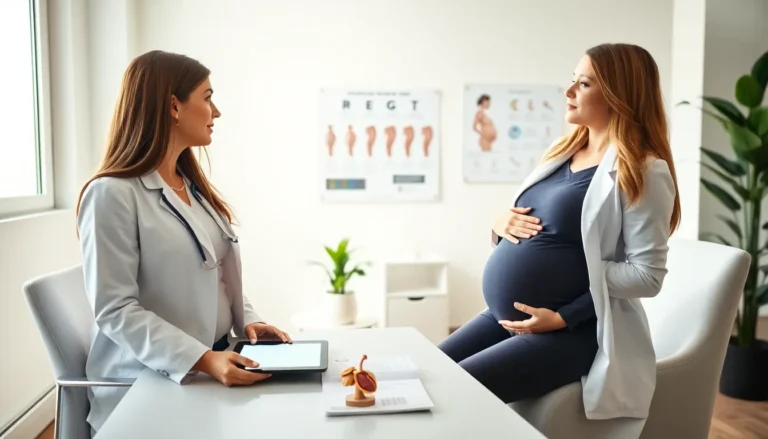
Pregnancy trends 2026 reflect a shift toward technology, personalization, and wellness. Expecting parents now have access to advanced genetic testing, wearable monitors, and eco-friendly products that previous generations could only imagine. Mental health support has moved from afterthought to priority. Birth preferences continue to expand beyond traditional hospital settings.
This guide covers the most significant pregnancy trends 2026 has brought forward. From personalized prenatal care to sustainable baby products, these developments are changing how families prepare for new arrivals. Whether someone is currently expecting or planning for the future, understanding these trends helps parents make informed decisions about their care.
Table of Contents
ToggleKey Takeaways
- Pregnancy trends 2026 prioritize personalized prenatal care, with genetic testing and individualized risk assessments replacing one-size-fits-all approaches.
- Wearable technology now allows expecting parents to monitor fetal heart rate, maternal vitals, and contraction patterns from home.
- Mental health screening has become a routine part of prenatal care, with holistic wellness practices like yoga and nutrition counseling gaining mainstream acceptance.
- Eco-friendly pregnancy products—from organic maternity wear to non-toxic nursery items and cloth diapers—are now widely available at various price points.
- Birth preferences in 2026 have expanded to include birth centers, home births with certified midwives, and doula support covered by many insurance plans.
- Parents are more informed than ever, using evidence-based resources to make decisions about genetic testing, birth planning, and sustainable baby products.
Personalized Prenatal Care and Genetic Testing
Personalized prenatal care stands out among pregnancy trends 2026 as one of the most impactful developments. Healthcare providers now use genetic information to create individualized care plans for each pregnancy.
Advanced Genetic Screening Options
Non-invasive prenatal testing (NIPT) has become more accessible and comprehensive. These blood tests can detect chromosomal conditions as early as ten weeks into pregnancy. Parents receive detailed information about potential genetic conditions without the risks associated with amniocentesis.
Carrier screening has also expanded. Couples can now test for hundreds of genetic conditions before or during early pregnancy. This information helps families prepare and make informed decisions about their care path.
Individualized Risk Assessment
Doctors use family history, lifestyle factors, and genetic data to assess pregnancy risks. This approach allows for targeted monitoring. A patient with elevated risk for gestational diabetes might receive earlier glucose testing. Someone with a family history of preeclampsia could have more frequent blood pressure checks.
The pregnancy trends 2026 landscape shows that one-size-fits-all prenatal care is fading. Instead, expecting parents receive attention matched to their specific needs and circumstances.
Wearable Technology for Monitoring Pregnancy
Wearable devices have transformed how expecting parents track pregnancy progress. These gadgets provide real-time data that was once available only during clinic visits.
Fetal Movement and Heart Rate Monitors
Home fetal monitors have improved significantly. Modern devices connect to smartphone apps and record fetal heart rate patterns over time. Some wearables alert parents to changes in movement patterns, offering peace of mind between appointments.
These pregnancy trends 2026 technologies don’t replace professional care. They supplement it. Parents can share recorded data with their healthcare providers, creating a more complete picture of fetal health.
Maternal Health Tracking
Wearables now monitor maternal vital signs continuously. Devices track heart rate, sleep quality, and activity levels throughout pregnancy. Some newer models detect contractions and help distinguish between Braxton Hicks and true labor.
Blood pressure monitors designed for pregnancy have also gained popularity. Given that hypertensive disorders affect about 10% of pregnancies worldwide, home monitoring helps catch warning signs early. The pregnancy trends 2026 data shows parents want more control over their health information, and the technology now exists to provide it.
Mental Health and Holistic Wellness Focus
Mental health has finally earned its place as a core component of prenatal care. The pregnancy trends 2026 movement recognizes that emotional wellness directly affects pregnancy outcomes.
Routine Mental Health Screening
Many providers now screen for anxiety and depression at every prenatal visit. This marks a departure from older practices that checked mental health only at initial appointments and postpartum. Regular screening catches issues earlier and reduces stigma around seeking help.
Perinatal mental health specialists have become more common in obstetric practices. Expecting parents can access therapy and counseling without long referral processes.
Holistic Approaches to Pregnancy Wellness
Yoga, meditation, and mindfulness programs designed for pregnancy have grown substantially. Research supports these practices for reducing stress hormones and improving birth outcomes. Many hospitals and birthing centers now offer prenatal wellness classes as standard programming.
Nutrition counseling has also expanded. The pregnancy trends 2026 approach goes beyond basic vitamin recommendations. Registered dietitians help expecting parents address specific concerns like morning sickness, heartburn, and gestational diabetes through food choices.
Sleep support represents another growing area. Given that sleep disturbances affect up to 78% of pregnant individuals, specialized guidance on positioning, sleep hygiene, and relaxation techniques has become valuable.
Eco-Friendly and Sustainable Pregnancy Products
Environmental consciousness shapes purchasing decisions for many expecting parents. Pregnancy trends 2026 reflect growing demand for sustainable options across all product categories.
Sustainable Maternity Wear
Maternity clothing brands increasingly use organic cotton, recycled materials, and ethical manufacturing. Rental and resale options have expanded, acknowledging that maternity wear gets worn for a limited time. Parents can now rent quality pieces rather than buying items they’ll use for just a few months.
Non-Toxic Nursery Products
Parents scrutinize nursery furniture, paint, and bedding for harmful chemicals. Low-VOC paints, organic mattresses, and furniture made without formaldehyde have become standard requests. The pregnancy trends 2026 market responds with more certified non-toxic options at various price points.
Skincare during pregnancy has shifted too. Products free from parabens, phthalates, and synthetic fragrances dominate the market. Brands now clearly label pregnancy-safe ingredients, making selection easier.
Reusable Baby Products
Cloth diapers have experienced renewed interest. Modern versions are easier to use than older styles, with better absorbency and simpler washing. Many parents choose cloth for environmental and cost reasons, disposable diapers contribute significantly to landfill waste.
Reusable nursing pads, baby wipes, and feeding supplies round out the sustainable pregnancy trends 2026 parents are embracing.
Evolving Birth Preferences and Support Options
Birth preferences continue to diversify. The pregnancy trends 2026 landscape shows parents researching their options more thoroughly than previous generations.
Expanded Birth Location Choices
Birth centers have grown in number and popularity. These facilities offer a middle ground between home births and hospital deliveries. They provide a less clinical environment while maintaining access to medical equipment and nearby hospital transfer if needed.
Home births with certified midwives have also increased. Better training standards and clearer guidelines help families make informed decisions about out-of-hospital births. Insurance coverage for midwifery services has expanded in many states.
Doula Support Goes Mainstream
Doula services have moved from niche to mainstream. Research shows that continuous labor support reduces cesarean rates and improves birth satisfaction. Many hospitals now welcome doulas, and some insurance plans cover their services.
Postpartum doulas have gained attention too. These professionals help families during the first weeks after birth with feeding support, recovery guidance, and household assistance. The pregnancy trends 2026 focus on support extends well beyond delivery day.
Well-informed choice-Making
Expecting parents arrive at prenatal appointments better prepared. Online resources, evidence-based birth classes, and community support groups help families understand their options. Questions about delayed cord clamping, skin-to-skin contact, and intervention preferences are now routine parts of birth planning conversations.