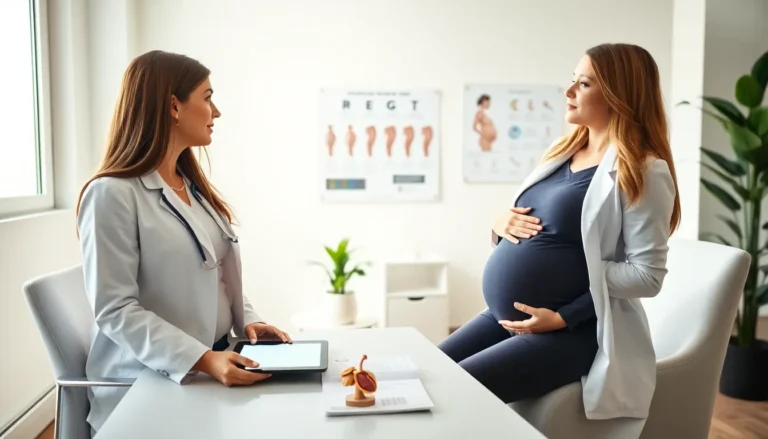
Pregnancy vs period symptoms can feel almost identical, making it hard to know what’s happening in your body. Bloating, fatigue, mood swings, and breast tenderness show up in both situations. Many people find themselves overanalyzing every twinge and cramp, wondering if they should reach for a pregnancy test or just wait for their period to arrive.
The confusion is understandable. Both pregnancy and premenstrual syndrome (PMS) trigger hormonal shifts that produce overlapping physical and emotional changes. But, certain signs can help distinguish one from the other. This guide breaks down the shared symptoms, highlights the key differences, and explains when testing makes sense.
Table of Contents
ToggleKey Takeaways
- Pregnancy vs period symptoms overlap significantly because both involve rising progesterone levels after ovulation.
- Implantation bleeding is lighter, shorter, and pinkish or brownish, unlike heavier period bleeding that lasts 3–7 days.
- Nausea and increased urination are stronger indicators of pregnancy since they rarely occur with PMS.
- For accurate results, take a pregnancy test on the first day of a missed period using first-morning urine.
- If symptoms persist past your expected period date instead of fading, pregnancy becomes more likely.
- Stress, thyroid issues, PCOS, and birth control changes can also mimic pregnancy vs period symptoms.
Common Symptoms Shared by Both Conditions
Pregnancy vs period symptoms overlap significantly because both involve hormonal fluctuations. Progesterone rises after ovulation whether conception occurs or not. This hormone causes many of the familiar discomforts people experience before their period or during early pregnancy.
Breast Tenderness and Swelling
Sore, heavy breasts rank among the most common complaints. During PMS, breast tissue often feels tender a week or two before menstruation begins. Early pregnancy also causes breast sensitivity due to rising hormone levels. In both cases, the sensation typically feels similar, though pregnancy-related tenderness may persist longer.
Fatigue and Low Energy
Feeling exhausted? Both conditions can drain energy. PMS-related fatigue usually lifts once menstruation starts. Pregnancy fatigue, driven by surging progesterone and increased blood production, often feels more intense and lingers throughout the first trimester.
Mood Changes
Irritability, anxiety, and emotional sensitivity affect many people before their period. Early pregnancy brings similar mood swings. The hormonal rollercoaster looks nearly identical on paper, which makes this symptom unreliable for distinguishing pregnancy vs period.
Bloating and Cramping
Abdominal bloating and mild cramping occur with both PMS and early pregnancy. Period cramps typically intensify as bleeding approaches. Implantation cramping, felt by some during early pregnancy, is usually lighter and shorter in duration.
Food Cravings or Aversions
Craving chocolate before a period? That’s classic PMS. But pregnancy can also trigger sudden food preferences or strong aversions. This symptom alone won’t confirm anything either way.
Key Differences Between Pregnancy and Period Symptoms
While pregnancy vs period symptoms share common ground, several distinctions can offer clues. Paying attention to timing, intensity, and specific signs helps clarify what’s going on.
Implantation Bleeding vs Period Bleeding
One of the clearest differences involves bleeding patterns. Period bleeding starts light, becomes heavier over a day or two, and lasts around 3–7 days. Implantation bleeding, which occurs when a fertilized egg attaches to the uterine lining, looks quite different. It’s typically very light, pinkish or brownish, and lasts only a few hours to a couple of days. Not everyone experiences implantation bleeding, but when it happens, it’s usually lighter than even the lightest period day.
Nausea and Morning Sickness
Nausea rarely accompanies PMS. Occasional queasiness can happen, but persistent nausea, especially in the morning or throughout the day, points strongly toward pregnancy. Morning sickness usually kicks in around week six of pregnancy, though some people notice it earlier.
Increased Urination
Needing to pee more often isn’t a typical PMS symptom. During pregnancy, the body increases blood volume and the kidneys work harder, leading to more frequent bathroom trips. If someone notices this alongside other symptoms, pregnancy becomes more likely.
Missed Period
The most telling sign remains a missed period. While stress, illness, or hormonal imbalances can delay menstruation, a missed period after unprotected sex warrants a pregnancy test. Tracking cycles helps identify irregularities quickly.
Symptom Duration
PMS symptoms resolve once menstruation begins. Pregnancy symptoms persist and often intensify over the following weeks. If symptoms don’t fade after the expected period date, that’s a meaningful signal.
When to Take a Pregnancy Test
Timing matters for accurate pregnancy test results. Testing too early can produce a false negative because hormone levels haven’t risen enough for detection.
Best Time to Test
Home pregnancy tests detect human chorionic gonadotropin (hCG), a hormone produced after implantation. For the most reliable results, wait until the first day of a missed period. Some sensitive tests claim accuracy a few days earlier, but waiting reduces the chance of inconclusive results.
Testing with first-morning urine provides the highest hCG concentration. This increases accuracy, especially when testing early.
What If the Test Is Negative?
A negative result doesn’t always mean no pregnancy. If a period still hasn’t arrived after a few more days, retesting makes sense. Sometimes implantation occurs later than expected, delaying hCG production.
If multiple tests come back negative and menstruation doesn’t begin, scheduling an appointment with a healthcare provider helps rule out other causes.
Other Factors That Can Mimic Pregnancy Symptoms
Pregnancy vs period isn’t the only comparison worth considering. Several other conditions produce similar symptoms.
Stress and Anxiety
High stress levels can delay periods, cause fatigue, trigger mood swings, and even produce nausea. The body’s stress response affects hormone production, mimicking both PMS and pregnancy symptoms.
Thyroid Imbalances
An underactive or overactive thyroid disrupts menstrual cycles and causes fatigue, weight changes, and mood shifts. These symptoms overlap with early pregnancy signs.
Polycystic Ovary Syndrome (PCOS)
PCOS causes irregular periods, hormonal fluctuations, and symptoms like bloating and fatigue. People with PCOS may experience pregnancy-like symptoms without being pregnant.
Illness or Infection
Coming down with a virus or dealing with a gastrointestinal issue can cause nausea, fatigue, and body aches. These physical symptoms sometimes create confusion about potential pregnancy.
Birth Control Side Effects
Starting, stopping, or switching hormonal contraceptives can produce symptoms that resemble pregnancy. Breast tenderness, nausea, mood changes, and spotting are common during adjustment periods.